Zgrass Computer Expansion

A Longer history...
Bally/Midway originally planned to release a computer add-under for the 'Bally/Home Library Computer' a few short months after its initial release.
The keyboard had 2 tape ports, 16K of additional memory (Ram&Rom),a serial port for printers/modems, an expansion port for Disk drives etc., and a BASIC programming language.
Unfortunately, production delays and problems with the first two shipments of game units caused the keyboard to be put on hold.
(Speculation) This is probably when the name of the game unit was changed to 'Bally/Professional Arcade', removing any hint of it being part of a Computer system.
Two things happened at this point.
1) The BASIC cart was developed, and became the level 1 expansion, making the Keyboard the level 2 expansion.
2) Dr. Tom DeFanti approached Dave Nutting/Bally about making a graphics workstation using the Bally's chip set and his Zgrass programming language.
The original Basic cartridge, and its separate audio tape interface, made the arcade unit quite popular with programmers and computer enthusiasts in spite of the missing keyboard expansion unit.
The Workstation project became the Bally Zgrass UV-1, assembled by DataMax, then later the DataMax UV-1.
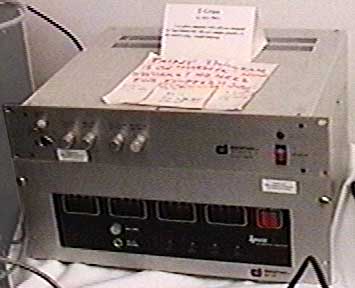
Why Bally's name disappeared from the unit is unknown. However, the Zgrass computer or Z-Box as it was called, and Tom DeFanti made much ink in the Graphics world (Siggraph etc.)
The expansion unit continued to be worked on and promoted, on and off, but never reached production.

When Astrovision took over the home arcade division from Bally in 1981, the game unit name plate read the 'Bally/Computer System', and the keyboard add-under was on again.
(Speculation) This name plate was seen many times on Bally units atop the keyboard expansion. Astrovision may have just been using up nameplate stock before making there own.
The keyboard at this time was called the Zgrass 32 and came with two tape ports, 32K memory, a serial port, and the Zgrass programming language plus CP/M compatibility.

Through out it's life confusing and confused reports seemed to propagate.
(Speculation) This may have had more to do with both the ever-increasing specs on the DataMax Zgrass computer and attempts to provide a consumer price point. Alternatively, it may also have had to do with trying NOT to compete with the DataMax unit.
Ram expanded to 64K (Zgrass 100)
Disk drive controller and port added internally DD 5.25
Changed to '4 channel Quad density' disk port (Zgrass 1200)
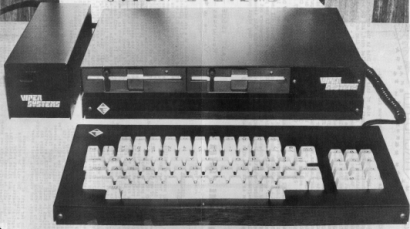
When it became obvious that Astrocade could not continue, Alternative Engineering Corp. (Viper add-under) decided it was in everyone's best interest to release the keyboard themselves. In August 198?(5), they sent an order form to anyone on the Arcadian mailing list who had ever shown interest in such a device. The units were then to be made on an on-order basis. Unfortunately, if any units were produced they were surely in extremely limited quantities. Probably only those who ordered the unit know for sure.
Seven of the Bally or Astrovision keyboards are known to have been produced
and shown at trade shows. In 1998 one of these keyboards graced eBay. (Thanks
to Steven Burrage for info.)
The DataMax UV-1 (Zgrass) system was expensive, but highly acclaimed in digital video circles of the time. About 300 of these were made.
Viper 1 & 5
More info soon.
Blue Ram
More info soon.
R&L Memory Expansion
The following came from Dale of R&L.
The brief history of our 64K RAM board product began in 1979 while I was employed
by Midway Mfg. The company, a division of Bally, offered its employees a discount
on the purchase price of the Home Video game system. I couldn't resist. After
fiddling with the Bally Basic (Rusty is still a professional Basic developer)
for a while we decided this system would probably draw a significant hobbyist
following. We felt the need to develop a solution to the 1800 byte RAM limitation.
First we lobbied the memory manufactures to produce a device that would share
the pin configuration of the 27xx series EPROMs (now the JEDEC standard). In
early 1981 we received some samples of the 2016 2Kx8 RAM, and immediately began
layout of a board that could be placed under the Bally unit and expand the memory
space to 64K. With these new RAMs one could develop a program in the RAM then
clone it to EPROM, either device could be plugged into the same board. In 1982
we learned about the fickle nature of the hobbyist market, at our local Bally
Users Group, user were more interesting in copying the latest games than in
purchasing a development aid. When we learned of the Blue RAM we slashed our
price and advertised in the Arcadian newsletter. Sales didn't warrant further
investment in this project. We still have boards and a limited supply of the
2Kx8 RAMs. (ATEWizard@HotMail.com)
Be sure to indicate R&L products or services!


